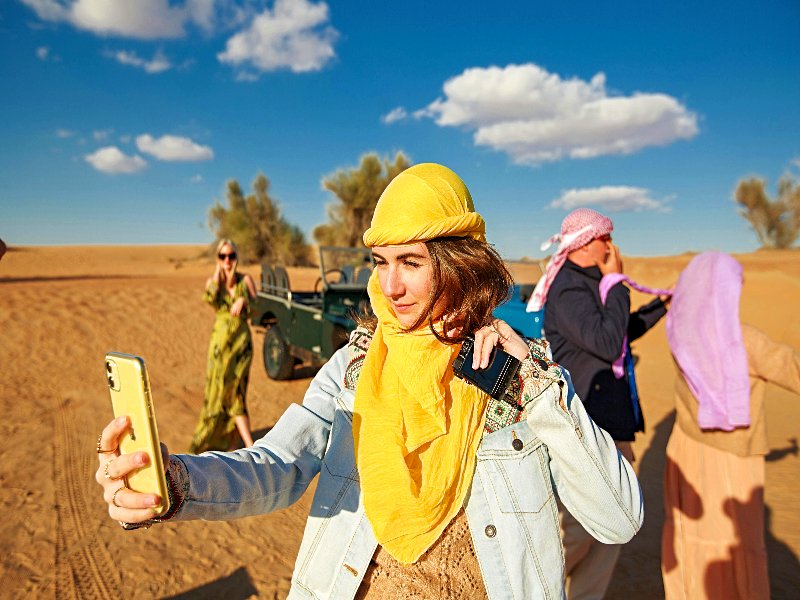
What to Wear in Morocco as a Woman Traveling to Morocco as a woman can be a bit challenging especially when visiting rural area. However, knowing how to dress appropriately and respect the local culture will, of course, enhance your experience as woman. For a safe, comfortable and enjoyable experience, it is important to dress modesty especially when visiting rural area and Berber villages. Dressing modestly, comfortably, and confidently makes your trip in Morocco one to remember. This guide covers the essential Morocco travel tips and advice for what to wear in Morocco as a woman, including outfit ideas, seasonal tips, what to avoid, and how to dress by place. What to Wear in Morocco as a Woman Cultural Respect: Clothing in the Medina: When you visit the ancient Medinas of Marrakech or Fes, dressing conservatively is highly recommended. Generally, this means covering your shoulders, chest, and knee at all times. Many travelers often ask about the best outfits to feel comfortable in crowded markets. Furthermore, It’s important to wear loose and long silhouettes. For example, oversized linen shirts paired with wide-leg trousers are both stylish and culturally appropriate. It’s also essential to bring a scarf when traveling to Morocco, as it plays an important role in a woman’s wardrobe there. A scarf is important as it can be used to cover your hair when visiting a mosque or to shield your skin from dust. In addition, It can be used to protect yourself from the heat of the desert. For these reasons, keeping a lightweight scarf in your day bag is always a smart choice. It’s both a stylish and functional piece to include when planning what to wear in Morocco as a woman. Seasonal Tips and Desert Essentials: Summer temperatures in the desert can be extremely hot, which may make wearing shorts seem like a good idea. However, shorts are not advisable when visiting Berber villages or rural areas. For women traveling to Morocco, lightweight and modest clothing is the best way to stay cool and respectful. Linen trousers are a great alternative to jeans, as they are breathable, comfortable, and offer full coverage while helping you cope with the heat. Next, consider your footwear. While sandals are great, closed-toe shoes protect your feet from dust. Additionally, remember that evenings in the desert can get chilly. Therefore, your list of what to wear in Morocco as a woman should include a light jacket. In conclusion, balancing fashion and tradition is easy with a bit of planning. By following these tips on what to wear in Morocco as a woman, you will feel confident and comfortable throughout your journey. What to Avoid Wearing As Women: Traveling to Morocco as woman can be a fascinating experience. However, knowing what avoid wearing when traveling in Morocco is essential for a safe, comfortable and enjoyable trip. Below is a list of clothes you should avoid wearing when visiting Morocco for a comfortable experience. Short shorts or miniskirts Tight, clingy clothes Revealing or transparent fabrics Swimwear away from designated beach areas or pools Is Morocco A conservative Country? Morocco is a conservative country. That is, travelers especially woman should wear appropriate clothing and respecful to the local culture and traditions. It’s essential to wear loose fitting clothes that covers their shoulders, knees and other parts of the body. However, men are allowed to wear shorts that are respectful and not too short for a safe and unforgettable trip. What should I wear in Morocco as Solo Female Traveler? There isn’t a strict rule about what women must wear in Morocco. Western clothing is generally acceptable, but it’s a good idea to cover your shoulders and choose skirts or pants that fall below the knee. However, The most practical guideline is to dress modestly, you don’t need to be extremely conservative. Morocco has been welcoming travelers for centuries, historically. It remains a friendly and fascinating country for visitors from all parts of the world. As a result, the level of respect and attention you receive depends on the type of clothing you wear. Check our blog: Is Morocco Safe For solo female travellers What to Wear in the Sahara Desert of Morocco? If you’re going to Morocco’s Sahara Desert, you’ll find several shops along the route offering a variety of scarves for visitors. It’s a convenient chance to pick up a scarf for your desert adventure. Wearing one makes your camel ride more comfortable, as it protects you from sandstorms and helps shield you from the sun and wind. Dressing Modesty and Respectfully: When choosing what to wear in Morocco. It’s essential to balance comfort with respect for local traditions. Generally, women are advised to cover their shoulders and knees. However, men should steer clear of very short shorts and sleeveless tops outside beach or swimming pool. Avoid tight T-shirts, short skirts, or overly revealing clothing. Although Morocco is friendly and welcoming to visitors, it is still a conservative country, and dressing modestly helps show cultural respect and reduces unwanted attention, especially for women. Essential Tips For What to Wear as a Men? Respecting the local culture is important when traveling to Morocco as Men. As a result, it’s advised that men should wear trousers or long jeans and avoid short shorts in public spaces. At cultural or religious sites, choosing traditional clothing such as a djellaba or kaftan can be a respectful and appropriate option. However, Short shorts could be a good option at the beach or pool. But in Rural areas like Berber villages, small towns, men should avoid any kind of short clothes as it’s regarded disrespectifull for most of the people at lrural areas. Additionally, wearing short shorts, or singlets is not recommended when visiting Berber villages. Moroccan people especially in the rural areas are too conservative and wearing inappropriate clothing may bring unwanted attention and disrespect from locals. Tips For What to Wear in Morocco as Women for safe & Comfortable trip: 1. Cover Your Shoulders & Knees: Visiting Berber villages and rural areas is totally different than big cities. People are too conservative and religious, so wearing modesty, covering your shoulders, knees and body is crucial for a safe experience. However, in big cities like Fes, Marrakech and Casablanca. People are more influenced by the western culture. As a result, dressing is more relaxed and comfortable allowing visitors to wear their favourite clothing style. 2. Bring a Scarf: A scarf is important when visiting old Medinas, Souks, religious monuments and Sahara Desert. That is, wearing a thin scarf is essential as it protects you from the heat of the sun especially during Summer. Moreover, A scarf can help you cover your shoulders and knee. On the top of that, wearing a scarf can protect you from the wind and sandstorms when visitng Sahara desert. 3. Dress in Layer: Due to the changing weather in Morocco, It’s important to wear layer so that you avoid packing a lot during the voyage. For instance, If you go to the Atlas Mountains, it could be a little hot a day and cold at night. Additionally, the Sahara Desert is usually hot a day and cold at night. However, preparing for different climate when visiting Morocco makes your experience enjoyable. 4. Comfortable Shoes: Wearing comfortable shoes is essential when exploring the old medina, the blue-painted streets of Chefchaouen, and the Sahara Desert. In addition to that, visitors should choose comfortable trousers, especially when walking through historic medinas with a local guide. Lastly, it’s best to opt for footwear that provides good support and allows you to walk easily for long periods. Conclusion: Travelling to Morocco as a lady offers an opportunity to experience the country’s rich culture, breathtaking landscapes, and dynamic urban centres. However, knowing what to pack for Morocco is the key to a successful and unforgettable trip. Additionally, wearing modest, breathable clothing that covers the shoulders and knees, carrying adaptable layers, and including comfortable footwear, you will be prepared for everything from Sahara sunsets to strolling the old Medinas. Thus, respecting local culture and traditions make your experience totally safe.